
On construction sites, we often see scenes like this: a hydraulic breaker hammers pound away at granite for ages, leaving only a shallow white mark; or a sledgehammer, while breaking shale, sends rocks flying everywhere, with pitifully low efficiency.
Where does the problem lie? The selection process focuses solely on the excavator’s tonnage, neglecting the most crucial factor—the hardness of the rock itself. Many selection errors stem from an oversimplified understanding of “rock.” Today, we’ll break down in detail how to scientifically select a hydraulic breaker based on rock hardness.
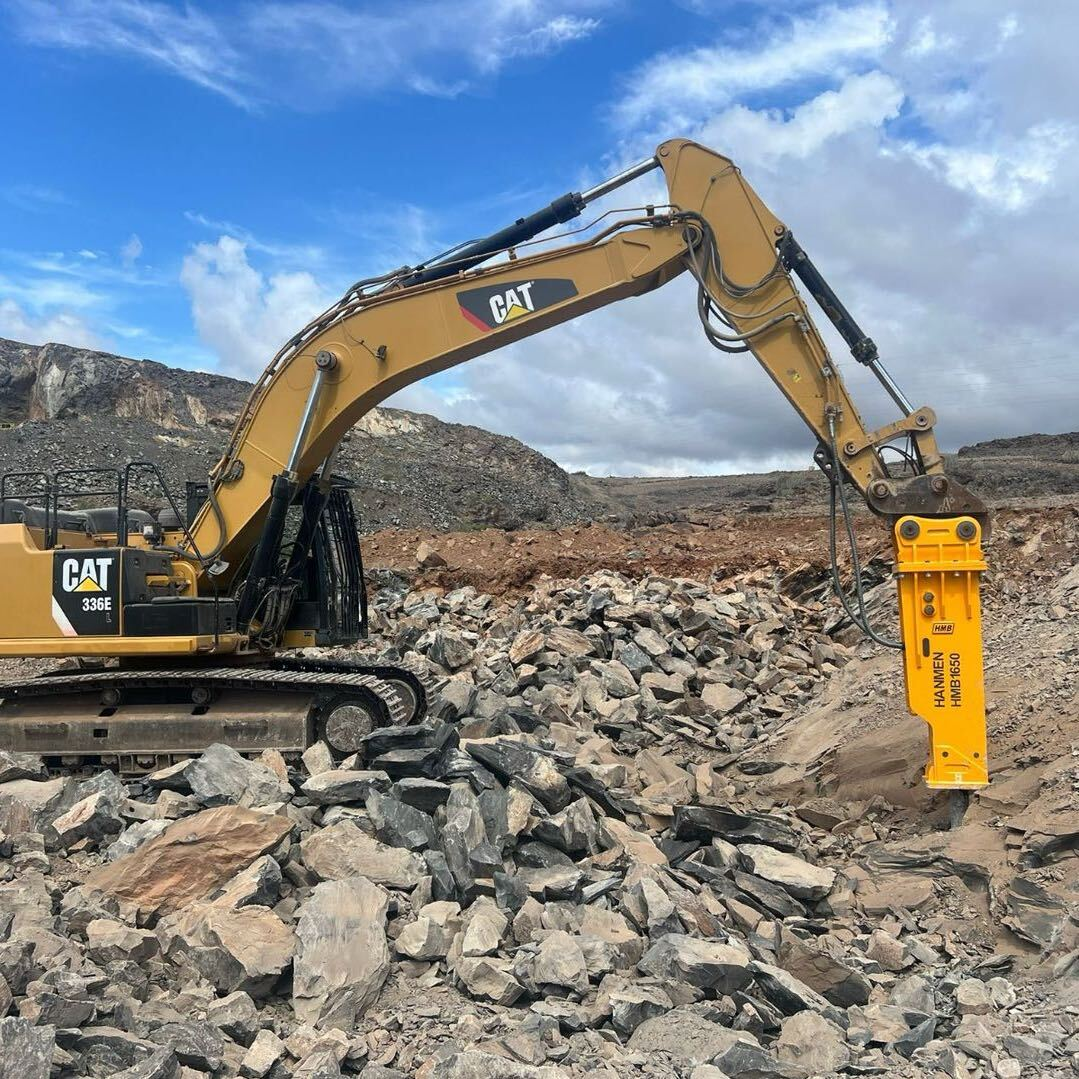
● Not all stones are created equal.
In actual engineering, “stone” may include weathered rock, shale, limestone, granite, basalt, and concrete components. The compressive strength of different materials varies greatly. Some materials are more brittle, while others are denser and harder. If this difference is ignored and hammers are selected solely based on tonnage, the efficiency may be completely mismatched.
● Compressive strength and impact energy:
The harder and denser the material, the greater the required single-impact energy.
If a high-frequency, low-energy structure is used to drill high-strength rock: Surface fracturing will occur, but deep penetration will be difficult, resulting in low efficiency and accelerated drill bit wear.
If a high-energy, low-frequency structure is used to drill soft rock: This will lead to wasted single-impact energy, increased vibration, and higher fuel consumption.
Therefore: For hard rock, prioritize single-impact energy; for soft rock, the frequency can be appropriately increased.
● The difference between continuous and intermittent crushing is significant.
For continuous crushing (e.g., in mining): prolonged full-load operation, high ambient dust levels, and significant temperature rise necessitate hydraulic breakers with stable structures, good heat dissipation, and wear-resistant designs.
For intermittent crushing (e.g., in municipal demolition): short operation times, large load fluctuations, and frequent relocation make the frequency and flexibility of the hydraulic breaker more important.
The structural priorities differ.
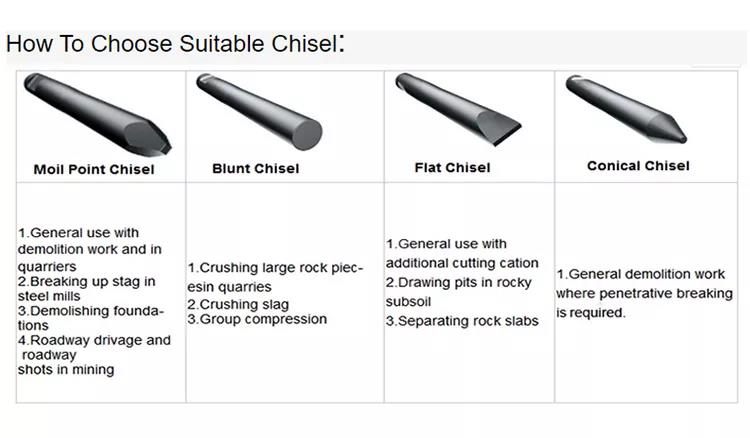
● Selection of chisel Type
Besides the main body and hammer structure, the type of chisel also affects efficiency. Common types include: pointed, flat wedge, and blunt.
Pointed chisel are suitable for stress concentration and hard rock penetration. Flat wedges are suitable for concrete demolition, facilitating crack initiation. Blunt chisels are suitable for secondary crushing and splitting. If the wrong drill rod is selected, decreased efficiency may be mistaken for a weak hammer.
● Risks of Oversized vs. Undersized Hammers
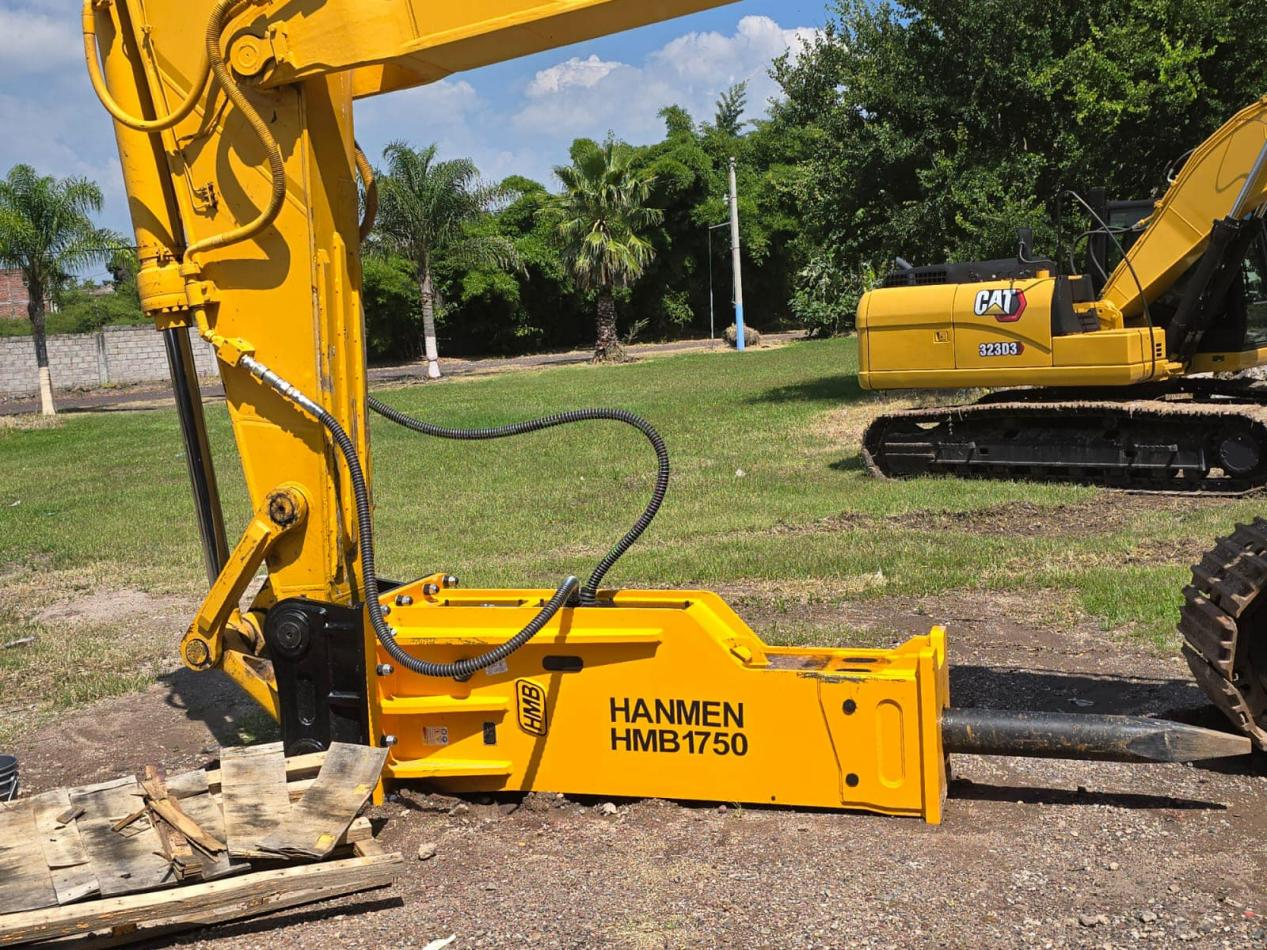
Many people worry that “buying a smaller one won’t be enough,” so they choose larger models. An oversized hammer can lead to: excessive load on the main unit, increased pressure on the swing arm and boom, and reduced operational flexibility. Conversely, an undersized model may result in insufficient impact energy per strike, accelerated structural wear due to prolonged high-frequency operation.
The ideal situation is not “bigger is safer,” but rather matching the strength of the working conditions.
● A simple judgment logic can be aided by three questions:
1) What is the strength level of the main material?
2) Is the operation continuous or intermittent?
3) Are there long-term high-load conditions?
If it mainly involves high-strength rock and continuous operation, prioritize high single-shot energy and durable structures. If it mainly involves demolition and medium-to-low strength materials, frequency and flexibility are more important.
More question,please visit our website:https://www.hmbhydraulicbreaker.com
Post time: Jun-30-2026


