
Is your excavator’s hydraulic breaker failing prematurely? 90% of breakdowns stem from these 6 bad operating habits.
When you buy a hydraulic breaker, the true cost isn’t the purchase price itself, but the expense incurred during daily operation over time.
Let’s set aside structural details and technical specifications to focus on a more practical issue: operating habits. Many longevity problems aren’t caused by product design flaws but are the cumulative result of long-term improper use. These habits may not cause immediate issues, but they often lead to a cascade of failures a year or two down the line—at which point, the repair bill will be far more painful than the cost of a new unit.
Here are six of the most common—and most destructive—bad habits associated with the daily use of hydraulic breakers. Check the list to see how many apply to your operators.
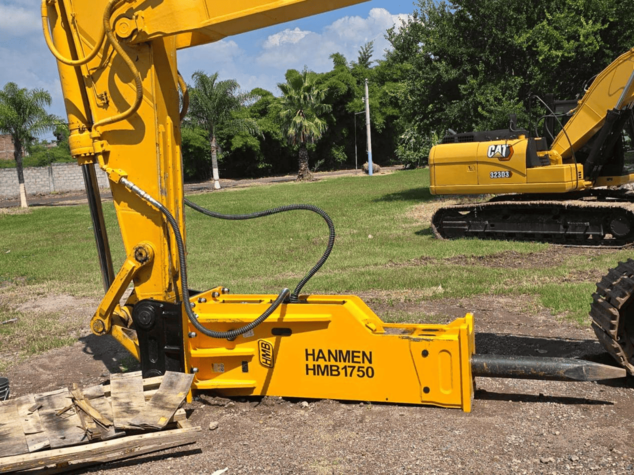
blank firing
Blank firing is the most common yet most underestimated issue. It occurs when the tool bit begins impacting before it is firmly pressed against the material:
- Shock waves fail to transfer.
- Energy rebounds into the main body.
- Internal components are subjected to additional impact stress.
There may be no immediate signs of trouble, but prolonged blank firing leads to:
- Widening of internal clearances
- Premature aging of seals
- Reduced impact efficiency
Blank firing isn’t simply “missing the target”—it is effectively “striking the machine itself.”
Correct procedure:
Do not fire unless the tool bit is in firm contact with the material. Operators must cultivate the habit of ensuring the tool bit is fully pressed against the material before starting operation.
Side Prying
A common practice on-site is to pry the rock sideways after driving the tool into it.
This practice leads to:
- Bending of the tool (chisel/rod)
- Abnormal wear on the guide bushing
- Misalignment of forces on the main housing
These issues are particularly pronounced when breaking large boulders. A hydraulic breaker is not a crowbar.
Correct procedure:
When encountering large rocks that are difficult to break, readjust the breaking angle and select a new striking point rather than attempting to pry the rock forcefully with the tool. Changing striking points is far more cost-effective than replacing the tool itself.
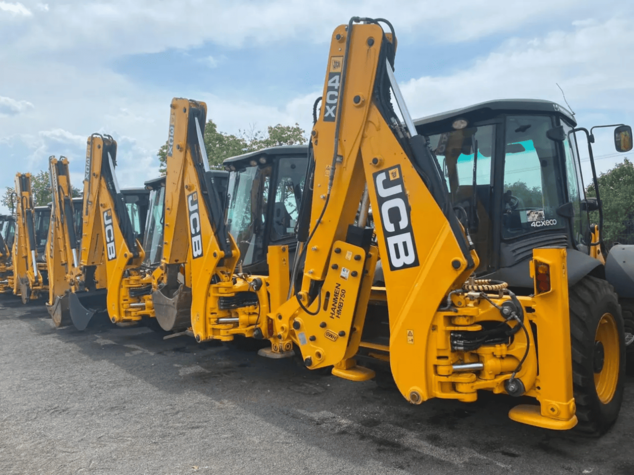
Prolonged Continuous Full-Load Operation
Continuous high-load operation leads to:
- Rising oil temperatures
- Reduced lubrication performance
- Aging of sealing materials
Service life is significantly shortened if adequate downtime for cooling is not provided. Temperature management is particularly critical during hot summer conditions.
Best Practices:
Schedule appropriate downtime for cooling during extended operations. When the hydraulic oil temperature approaches or exceeds the recommended upper limit, operations must be paused to allow the system and equipment to cool down naturally. Pay close attention to the oil temperature gauge, especially during summer operations.
Neglecting Lubrication
Grease is required between the tool (chisel) and the bushing.
Insufficient lubrication leads to:
- Metal-to-metal friction
- Surface scoring
- Accelerated wear
Some operators think:
However, lubrication is a low-cost protective measure. Neglecting it is a classic case of “saving pennies but spending a fortune.”
Correct practice:
Apply the specified grease every 2–3 hours of operation, as required by the equipment manual. Use the correct grade and specification of grease; do not substitute it with ordinary general-purpose grease. Application is complete only when fresh grease is seen squeezing out from the gap between the tool and the bushing.
Incorrect Pressure and Flow Adjustments
Some users arbitrarily increase relief pressure or flow rates in pursuit of “more power.” This practice can lead to:
- Increased internal shock loads
- Greater strain on seals
- Higher operating temperatures
While the equipment may indeed feel “more powerful” in the short term, the rate of wear accelerates exponentially over the long term.
In short: Every increment of excess beyond recommended parameters comes at the cost of service life.
The correct approach:
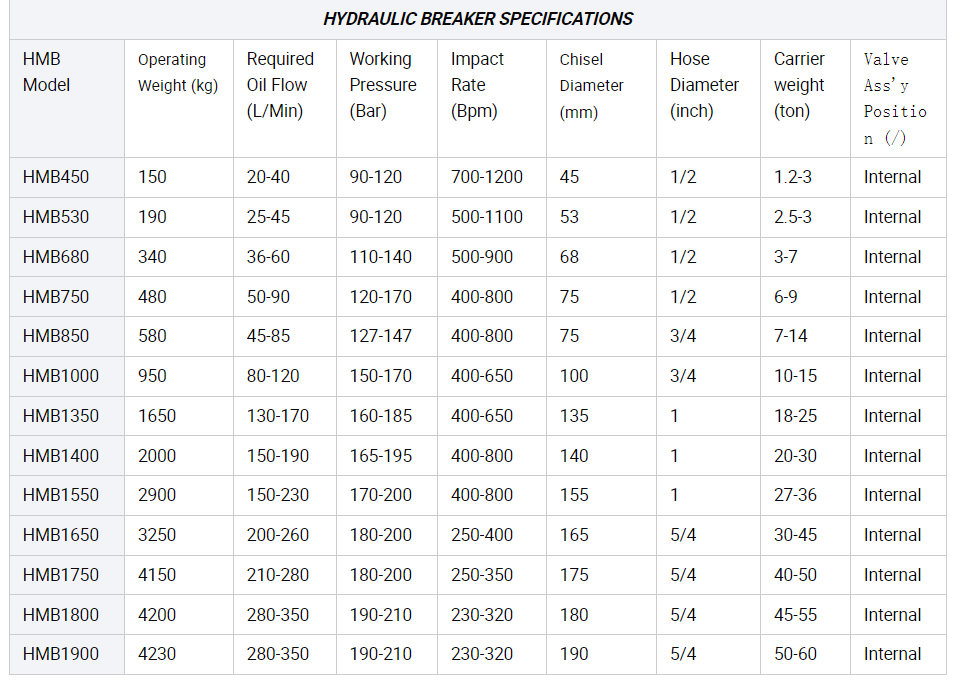
All pressure and flow settings must be adjusted within the manufacturer’s recommended ranges. If greater breaking force is genuinely required, consider upgrading to a larger breaker model or a more powerful carrier machine, rather than compromising the equipment’s lifespan by “overclocking” it.
Ignoring Warning Signs
Equipment often provides early indications of issues:
- Changes in sound
- Abnormal frequency
- Rising oil temperature
- Signs of oil leakage
Every major breakdown stems from a small, overlooked signal.
Best Practice:
Establish a pre-shift inspection checklist and train operators to be observant; if any of the following abnormalities are detected, shut down the machine immediately for inspection and report the issue:
- • Impact sounds becoming sharp, brittle, or accompanied by unusual noise
- • Striking frequency slowing down noticeably or becoming erratic
- • Abnormal rise in hydraulic oil temperature
- • Oil leakage from any part of the unit
- • Visible cracks or bending in the tool (chisel/rod)
Early detection and prompt handling minimize costs.
Service life is never a matter of luck.
The longevity of a hydraulic breaker depends on three factors:
- Design and materials—determined at the factory; these are “innate” characteristics.
- System matching—whether the carrier’s flow rate and pressure align with the breaker; this is a matter of model selection.
- Operating habits—the only variable that is entirely within your control.
Among these, operating habits are the most controllable factor. Proper operation incurs no extra cost yet can significantly extend the equipment’s service life.
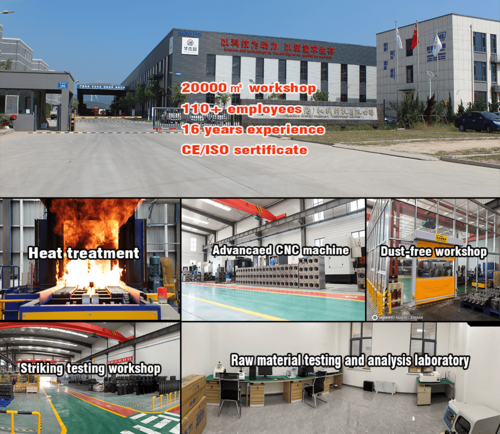
If you would like more detailed assistance:
Please click “Contact Us” below, and our technical team will provide you with professional, one-on-one advice.
Post time: Aug-10-2026


