
Hydraulic breakers are essential tools in the construction and demolition industries, known for their ability to efficiently break concrete, rock, and other hard materials. However, like any piece of heavy machinery, they are not immune to wear and tear. One of the most common issues faced by operators is cracking in hydraulic breakers. Understanding the causes of these cracks and the solutions to prevent them is crucial for maintaining the longevity and efficiency of this equipment.
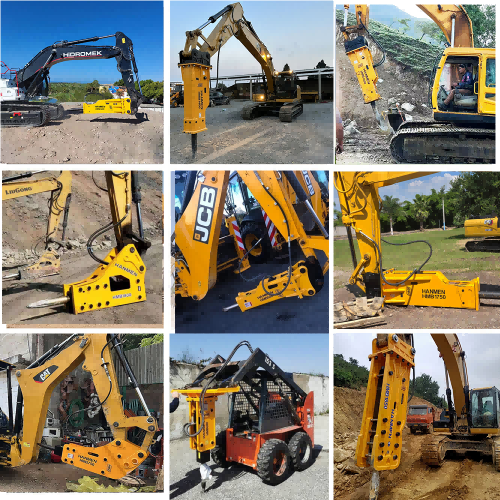
Causes of Cracking in Hydraulic Breakers
1. Material Fatigue: Over time, the constant impact and vibration from the hydraulic breaker can lead to material fatigue. The repeated stress on the breaker’s components can cause micro-cracks to develop, which may eventually lead to larger cracks. This is particularly common in breakers that are used extensively without proper maintenance.
2. Improper Use: Hydraulic breakers are designed for specific applications, and using them outside of their intended purpose can lead to cracking. For instance, using a breaker on materials that are too hard or too soft can create uneven stress on the tool, leading to cracks. Additionally, using the breaker at incorrect angles or with excessive force can exacerbate the problem.
3. Lack of Maintenance: Regular maintenance is crucial for the longevity of hydraulic breakers. Neglecting to perform routine checks, such as inspecting for wear and tear, can lead to undetected issues that may result in cracking. Components such as chisels and bushings should be regularly replaced to prevent excessive wear on the breaker itself.
4. Poor Quality Materials: The quality of the materials used in the construction of hydraulic breakers plays a significant role in their durability. Low-quality steel or subpar manufacturing processes can lead to weak points in the breaker, making it more susceptible to cracking under stress.
5. Hydraulic Pressure Issues: Hydraulic breakers operate under high pressure, and any fluctuations in hydraulic pressure can lead to performance issues. If the pressure is too high, it can cause excessive stress on the breaker, leading to cracks. Conversely, low pressure can result in inefficient operation, causing the operator to apply more force than necessary, which can also lead to cracking.
6. Environmental Factors: The working environment can also contribute to the cracking of hydraulic breakers. Extreme temperatures, exposure to corrosive materials, and high levels of dust and debris can all affect the integrity of the breaker. For example, operating in extremely cold conditions can make materials more brittle, increasing the likelihood of cracking.
Solutions to Prevent Cracking
1. Regular Maintenance: Implementing a routine maintenance schedule is essential for preventing cracks in hydraulic breakers. This includes regular inspections, cleaning, and replacing worn components. Operators should also ensure that the hydraulic fluid is at the correct level and that there are no leaks in the system.
2. Proper Training: Ensuring that operators are properly trained in the use of hydraulic breakers can significantly reduce the risk of cracking. Training should cover the correct techniques for using the breaker, including the appropriate angles and force to apply. Operators should also be educated on the specific materials that the breaker is designed to handle.
3. Quality Equipment: Investing in high-quality hydraulic breakers made from durable materials can help prevent cracking. It’s important to choose reputable manufacturers that adhere to strict quality control standards. Additionally, using genuine replacement parts can ensure that the breaker maintains its integrity over time.
4. Monitoring Hydraulic Pressure: Regularly checking and adjusting the hydraulic pressure can help prevent excessive stress on the breaker. Operators should be familiar with the manufacturer’s specifications for optimal pressure levels and ensure that the equipment is operating within those parameters.
5. Environmental Considerations: When using hydraulic breakers in harsh environments, operators should take precautions to protect the equipment. This may include using protective covers, ensuring proper ventilation, and avoiding operation in extreme temperatures whenever possible.
6. Immediate Repairs: If cracks are detected, it is crucial to address them immediately. Continuing to use a hydraulic breaker with cracks can lead to further damage and potentially catastrophic failure. Operators should have a plan in place for repairing or replacing damaged components as soon as issues are identified.
Conclusion
Cracking in hydraulic breakers is a common issue that can lead to costly repairs and downtime if not addressed properly. By understanding the causes of cracking and implementing effective solutions, operators can extend the life of their hydraulic breakers and ensure efficient operation. Regular maintenance, proper training, and attention to environmental factors are key to preventing cracks and maintaining the integrity of this vital equipment.
Yantai Jiwei Construction Machinery Equipment Co., Ltd. has over 16 years of experience in manufacturing excavator attachments. For any questions, please feel free to contact me: +8613255531097
Post time: Dec-03-2025


