
When selecting a hydraulic breaker, BPM (Beats Per Minute) is a parameter that buyers pay close attention to.Some models reach 500 BPM, 800 BPM, or even over 1000 BPM. Many users naturally assume: The higher the BPM, the faster the breaking speed and the higher the production efficiency.
However, the reality is more complex.The actual working efficiency of a hydraulic breaker is not determined by impact frequency alone. Impact energy, piston stroke, carrier hydraulic flow rate, material being broken, and site conditions all affect the final breaking output.
For construction contractors, equipment rental companies and procurement specialists, the key question is not which breaker has the highest BPM. Instead, you need to confirm: Can this hydraulic breaker deliver sufficient impact energy into the material at a suitable frequency?
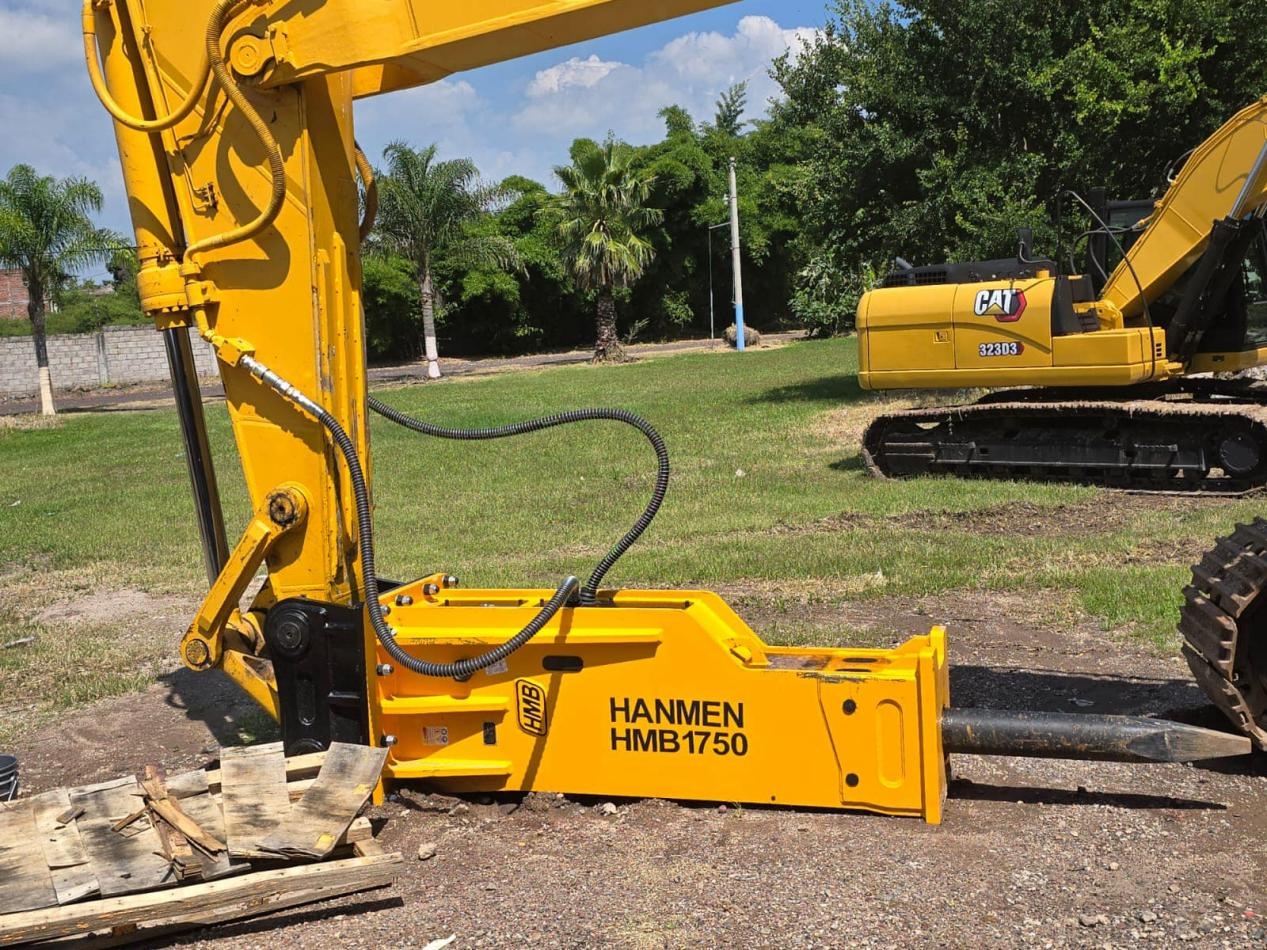
1. Why BPM Is Only Part of Hydraulic Breaker Performance
BPM shows how many blows a hydraulic breaker delivers every minute. For example:
· 500 BPM = roughly 500 blows per minute
· 800 BPM = roughly 800 blows per minute
· 1000 BPM = roughly 1000 blows per minute
On paper, 1000 BPM is clearly faster than 800 BPM. But more blows do not equal harder blows.
Breaking capacity is tightly linked to single-blow impact energy. To put it simply:
BPM controls how many times it hits. Impact energy controls how hard each hit is.
If a breaker runs at a very high frequency with low single-blow energy, you will likely run into these issues when working on hard rock or thick reinforced concrete:
· Lots of impacts, yet slow breaking progress
· Chisel bouncing repeatedly on the material surface
· Energy failing to penetrate deep into rock
· Accelerated wear on the chisel, bushings and other wear parts
· Excess heat buildup in the hydraulic system
This is why you cannot choose a hydraulic breaker based on BPM alone.
2. Different Materials Require Different Impact Frequencies
Hydraulic breakers work on a wide range of materials. Limestone, shale, standard concrete, reinforced concrete and high-hardness rock all demand different breaking strategies.
Soft materials: Higher frequency often delivers better results
Soft rock, thin concrete layers and asphalt do not demand extremely high single-blow energy. For these applications, higher BPM enables fast continuous breaking and boosts hourly output.
Typical jobs:
· Asphalt pavement breaking
· Thin concrete slab removal
· Small concrete structure demolition
· Road maintenance
· Partial structural repair
In these scenarios, a high-impact frequency lets the breaker quickly work across the surface.
Hard materials: Impact energy matters most
When dealing with hard rock, thick concrete or heavy foundation structures, raising BPM alone rarely solves the problem. What you need is strong single-blow impact energy and a well-designed piston stroke.
Typical jobs:
· Hard rock breaking
· Quarry and mining work
· Oversized rock boulder breaking
· Thick reinforced concrete demolition
· Building foundation removal
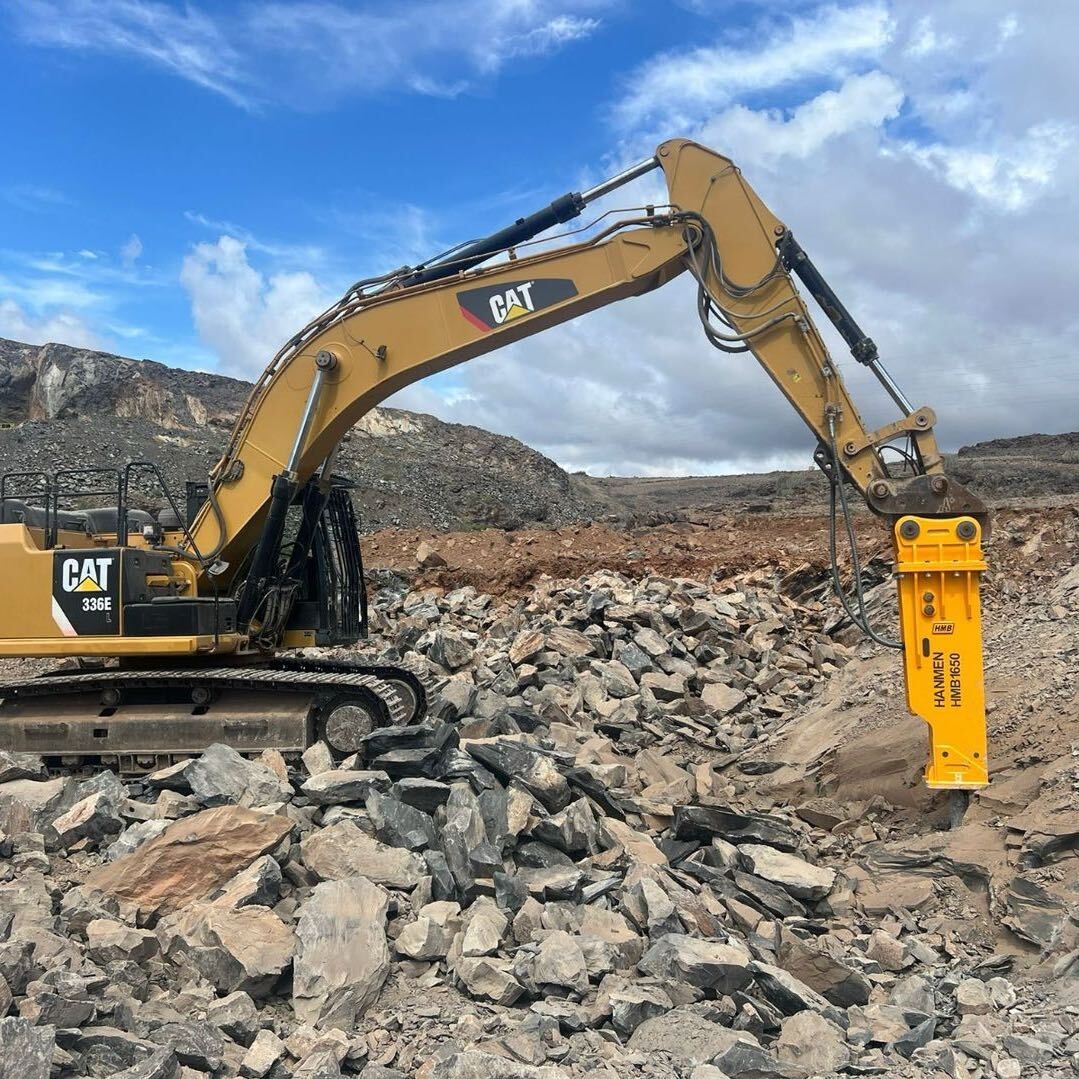
For these heavy-duty tasks, faster hits do not always equal effective hits. Low-energy high-frequency blows only create shallow surface impacts and cannot propagate deep cracks inside the rock.
3. Higher BPM Increases Load on the Hydraulic System
High-frequency operation means the hydraulic breaker completes more cycles in less time. If the breaker is mismatched with the excavator or carrier’s hydraulic specs, system stress rises sharply.
Common problems include:
· Rising hydraulic oil temperature
· Higher stress on hydraulic hoses
· Premature aging of seals
· Extra load on the hydraulic pump
· Faster wear of internal breaker components
Before picking a high-BPM hydraulic breaker, always verify the carrier’s rated hydraulic flow and operating pressure.
Do not follow this wrong assumption:
A larger excavator always needs a higher-BPM breaker.
Proper selection depends on a combined evaluation of: Carrier specifications + breaker parameters + material hardness + site working conditions.
4. Higher Frequency Does Not Guarantee Faster Output for All Applications
This is one of the most widespread misconceptions when shopping for hydraulic breakers.
Compare two breakers: one at 2000 BPM and another at 1200 BPM. If the 2000 BPM model has weak single-blow energy while the 1200 BPM unit delivers heavy impacts, the 1200 BPM breaker can easily achieve higher actual production rates on hard rock.
The correct metric to compare is: How much material is effectively broken per hour.
Not: How many blows are delivered per minute.
That is why experienced equipment buyers never rely solely on the maximum BPM listed on product brochures.
5. Working Conditions Suitable for High-BPM Hydraulic Breakers
High frequency still has clear advantages for the right jobs. High-BPM breakers perform well in these applications:
Asphalt and road construction
Asphalt layers and thin concrete road surfaces do not require massive impact energy. Rapid repeated blows speed up surface material removal for road repairs.
Thin concrete demolition
For thin walls, floor slabs and lightweight concrete structures, high-frequency strikes quickly form connected cracks.
Urban selective demolition
During urban renewal and renovation projects, operators often need controlled breaking to avoid damaging surrounding structures. In these cases, well-tuned high-frequency low-energy blows work better than brute heavy impacts.
Small-scale works and repair jobs
Trench repairs, patchwork and localized breaking benefit from high BPM, which cuts dwell time on each spot and keeps work flowing smoothly.
6. Applications Where Impact Energy Should Be Your Top Priority
If your main projects fall into the categories below, focus on single-blow impact energy and overall structural durability instead of chasing high BPM:
Hard rock breaking
Hard rock requires enough impact energy to transfer force deep into the rock mass.
Mining operations
Mining involves long continuous shifts, placing strict demands on impact performance, component durability and heat dissipation.
Thick reinforced concrete demolition
Building foundations, heavy walls and high-strength concrete structures rely on powerful impacts rather than faster hits.
Industrial demolition
Equipment bases and heavy industrial concrete structures require robust construction and sustained breaking capacity.
So when choosing your next hydraulic breaker, do not ask:Which model has the highest BPM?Which breaker has the ideal balance of frequency and impact energy for my application?
If you are sourcing a hydraulic breaker for your fleet, share your carrier model, working pressure, hydraulic flow rate and primary breaking material. We can help you select the best-matched hydraulic breaker for your working conditions.
Post time: Nov-10-2026


